
As a leading supplier of PG, Hangzhou FORU Chemtech, we’re thrilled to share insights into propylene glycol (PG, 1,2-propanediol, CAS 57-55-6)—a colorless, odorless, hygroscopic viscous liquid that quietly underpins countless sectors worldwide.
With its dual hydroxyl groups and low-toxicity profile, PG has evolved from a niche industrial chemical to an indispensable "bridge material" linking manufacturing, healthcare, food safety, and daily life. Let’s dive into its core value, global applications, and why it stands out in today’s supply chains.
At its core, PG’s performance stems from its unique molecular structure and physical traits:
• Chemical Identity: Molecular formula C₃H₈O₂, molecular weight 76.09 g/mol, with a chiral carbon atom (racemic mixture in commercial production).
• Key Physical Traits: Boiling point ~188°C, melting point -59°C, density 1.036 g/cm³ at 20°C, and viscosity 56 mPa·s at 20°C. It is fully miscible with water, ethanol, acetone, and chloroform—yet insoluble in petroleum ether, making it ideal for multi-solvent formulations.
• Safety & Stability: Non-corrosive to metals, stable in sealed cool environments, and oxidizes slowly at high temperatures (producing lactic acid and pyruvic acid). Classified as GRAS (Generally Recognized as Safe) by the US FDA (21 CFR 184.1666) and assigned E1520 for food use, E490 for cosmetics/pharmaceuticals, it prioritizes safety across regulated sectors.
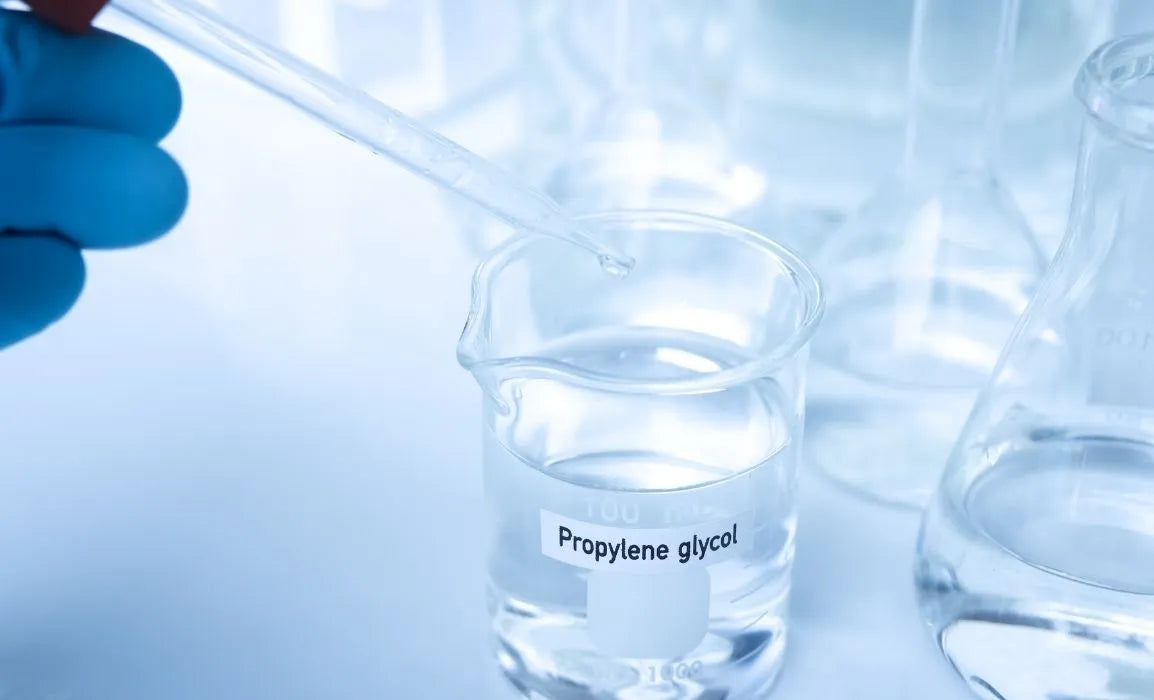
Global annual PG production exceeds 2.1 million metric tons, with China as a leading producer—driven by robust demand from food, pharma, and industrial end-users. Hangzhou Fuyou Chemical specializes in supplying grade-specific PG tailored to application purity standards:
1. Industrial Grade: For polyester resins, antifreeze, and industrial solvents; cost-effective for non-regulated manufacturing.
2. Food Grade (FCC): Compliant with international food safety norms, used in flavor dissolution, moisture retention, and food processing.
3. Pharmaceutical Grade (USP/EP): High-purity (≥99.9%) for injectable drug solvents, topical formulations, and IV medication carriers.
4. Cosmetic Grade: Formulated for skincare, haircare, and personal care products, ensuring skin compatibility and stability.
PG’s adaptability is its superpower—here’s how it powers critical industries:
1. Industrial Manufacturing: The Backbone of Materials
• Unsaturated Polyester Resins (UPR): The largest end-use segment (30–40% of global PG consumption). PG reacts with maleic anhydride and phthalic anhydride to form UPR, used in fiberglass-reinforced plastics (FRP) for automotive parts, construction panels, and marine components—delivering high tensile strength and corrosion resistance.
• Antifreeze & Heat Transfer Fluids: A safer alternative to ethylene glycol (low acute toxicity, LD₅₀ > 5000 mg/kg), PG-based antifreeze protects food processing equipment, HVAC systems, and aircraft de-icing systems from freezing while ensuring efficient heat transfer.
• Polyurethanes (PU): As a key monomer in PU foam, coatings, and elastomers, PG enhances flexibility, durability, and weather resistance—used in furniture, footwear, and industrial sealants.
2. Food & Beverage: Preserving Freshness & Flavor
• Moisture Retention: Prevents drying in baked goods (bread, pastries), candies, and frozen desserts, extending shelf life by locking in moisture.
• Solvent & Emulsifier: Dissolves natural flavors, colors, and antioxidants in soft drinks, sauces, and seasonings, ensuring uniform distribution and consistent taste.
• Food Processing Aid: Acts as a cryoprotectant in frozen food manufacturing and a lubricant for food contact machinery, meeting strict hygiene standards.
3. Pharmaceuticals: Stabilizing Life-Saving Formulations
• Drug Solvent & Carrier: Solubilizes poorly water-soluble active ingredients (e.g., lorazepam, diazepam) in oral liquids, injectables, and topical creams—boosting bioavailability and absorption.
• Formulation Stabilizer: Prevents ingredient degradation in ointments, gels, and capsules, extending product shelf life and maintaining dosage consistency.
• Veterinary Use: Treats ketosis in ruminants, supporting animal health and productivity.
4. Cosmetics & Personal Care: Enhancing Skin & Hair Experience
• Moisturizer & Humectant: Attracts and retains environmental moisture, hydrating skin in lotions, creams, and serums—delivering a non-greasy finish.
• Penetration Promoter: Aids absorption of active ingredients (e.g., vitamin C, hyaluronic acid) into the skin, boosting product efficacy.
• Stabilizer & Solvent: Maintains texture and consistency in shampoos, lipsticks, and toothpaste, preventing separation and ensuring even application.
5. Emerging & Niche Applications
• E-Liquid for Vaping: Primary solvent for nicotine and flavorings, delivering smooth vaporization.
• Biodegradable Plastics: Co-produced with succinic acid to form PBS (polybutylene succinate), a fully biodegradable polymer with 90%+ degradation rate in 180 days—supporting circular economy goals.
• Tobacco Processing: Maintains tobacco moisture and flexibility, improving smoking experience.

As a trusted supplier with deep expertise in global trade (including FOB, L/C, and TSP bulk shipping), we offer:
• Grade-Specific Quality: Strict adherence to USP/FCC/EP standards, with third-party lab testing for purity, moisture, and acidity.
• Reliable Supply Chain: Strategic partnerships with top Chinese manufacturers, ensuring consistent stock even during peak demand.
• Global Logistics Expertise: Specialized handling of bulk PG shipments (ISO tanks, flexitanks) with full documentation for customs compliance across Asia, Europe, and the Americas.
• Multilingual Support: Seamless communication in English, Spanish, and Mandarin to streamline cross-border transactions.
As the world shifts toward green chemistry, PG is poised for growth:
• Bio-Based PG: Produced via corn fermentation (ISCC-certified), reducing carbon footprint by 65% compared to petroleum-based variants—aligning with net-zero goals.
• Circular Economy Integration: Recyclable PG from industrial waste streams is emerging as a cost-effective, eco-friendly alternative.
• Demand Growth: Global PG demand is projected to reach 4 million metric tons by 2035, driven by expansion in pharmaceutical manufacturing and sustainable packaging.
Propylene glycol may not be a household name, but it’s a cornerstone of modern industry. From the polyester resin in your car’s body to the moisturizer in your skincare routine, it quietly enables progress while upholding safety and quality standards. At Hangzhou FORU Chemtech, we’re committed to delivering premium PG solutions tailored to your unique needs—backed by decades of trade experience and a global network.
Whether you’re sourcing PG for industrial manufacturing, food safety, or pharmaceutical formulations, our team is ready to partner with you. Contact us today to discuss custom supply solutions and unlock the full potential of this remarkable material.


Check that your browser version is too low,
In order not to affect the normal use of the site, please directly upgrade your browser, or use other browsers such as: firefox, Google.
