
PG production is tightly linked to propylene oxide (PO), which relies on crude oil, natural gas, and propylene as primary feedstocks.
In 2026, US natural gas prices have remained elevated due to tight domestic inventory and strong industrial demand, while crude oil prices hover at USD 75–80/barrel amid ongoing geopolitical tensions in the Middle East and Red Sea shipping disruptions. These factors have lifted PO production costs by approximately 5% quarter-over-quarter, with cost increases directly passed through to PG pricing. Additionally, bio-based PG—preferred for USP-grade pharmaceutical and food applications—faces higher feedstock costs (e.g., corn, biodiesel glycerin), supporting a 10–15% price premium over petroleum-based PG.
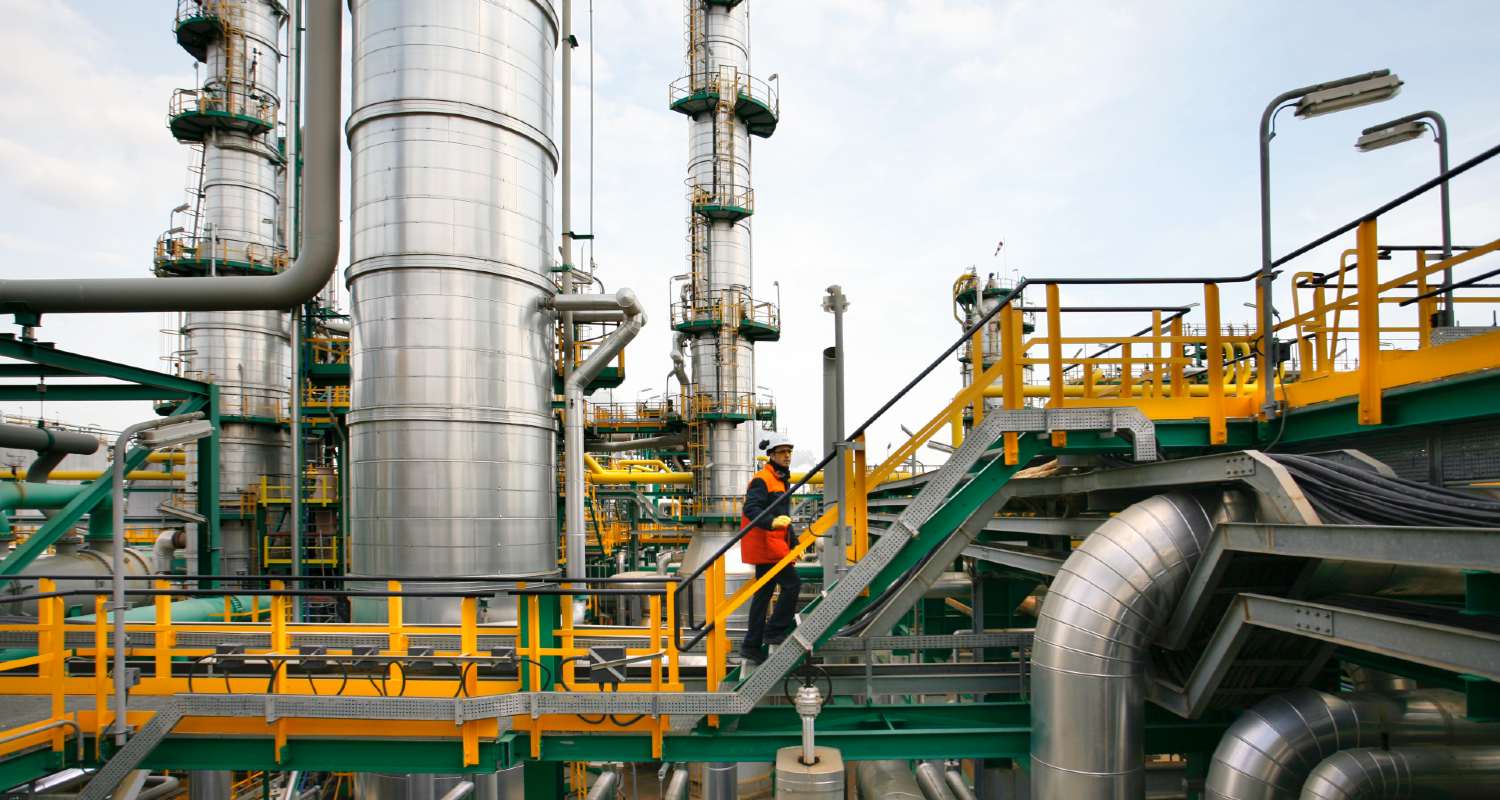
The US PG market operates with an annual production capacity of 720,000 tons, but unplanned outages and scheduled maintenance have severely constrained supply in Q1–Q2 2026. A major blow came from LyondellBasell’s Texas PG/PO facility shutdown in March 2026, which removed 15–20% of US PG capacity with no clear timeline for restart. Concurrent maintenance at Dow Chemical and BASF facilities further reduced operational output, pushing the overall industry operating rate down to 85–90%.
Spot market availability has become extremely limited, with traders holding back inventory and spot offers reaching USD 3,000–4,000/MT in some cases. No new major PG plants are scheduled to come online until 2027, ensuring supply tightness will persist in the near term.
The US is the world’s largest PG exporter, with key markets in Latin America (Mexico, Brazil) and Europe. European PG prices are even higher (approximately USD 1,390/MT), and regional supply deficits have led to a surge in US export orders. This export boom has rapidly drained domestic US inventories, leaving little buffer against supply disruptions and further driving up domestic prices. Latin American buyers, in particular, have increased purchases to secure supply amid regional production gaps, intensifying competition for available US PG cargoes.
PG’s versatility across high-growth, price-insensitive industries provides strong price support. Pharmaceutical and food-grade demand remains robust, driven by ongoing needs for liquid medications, vaccine formulations, and food additives. The cosmetics and personal care sector also contributes steady consumption, with PG widely used as a humectant and solvent. Industrial demand, particularly from unsaturated polyester resins (UPR) for construction and composites, has rebounded modestly in 2026, adding to overall offtake. While seasonal antifreeze demand is low in spring, the diversified demand mix has prevented significant price declines.
For the remainder of 2026, US PG prices are expected to remain elevated with upside risks. Near-term price movements will be driven by crude oil/natural gas price fluctuations, the resolution of facility outages, and export demand trends. If geopolitical tensions escalate or natural gas supply tightens further, PG prices could rise by an additional 3–5% in Q3 2026. Long-term, sustainability trends will reshape the market, with bio-based PG adoption accelerating as regulations favor renewable content.

At HANGZHOU FORU CHEMTECH CO.LTD, we closely monitor global PG market dynamics to provide reliable supply chain solutions for our partners. For buyers, proactive inventory planning and long-term contract negotiations are critical to mitigating price volatility. For producers, optimizing production efficiency and expanding bio-based PG capacity will be key to maintaining competitiveness in an evolving market.


Check that your browser version is too low,
In order not to affect the normal use of the site, please directly upgrade your browser, or use other browsers such as: firefox, Google.
