
In recent months, the global logistics and chemical transportation industry has been facing a growing shortage of ISO tanks. As a critical piece of infrastructure for the bulk transportation of liquid chemicals, food-grade liquids, and hazardous materials, ISO tanks play an essential role in international trade. The current tight supply has already caused disruptions across supply chains, pushing up logistics costs and forcing shippers and traders to rethink their transportation strategies.
This article explores the key reasons behind the ISO tank shortage, its impact on the market, and expectations for when the situation may begin to ease.
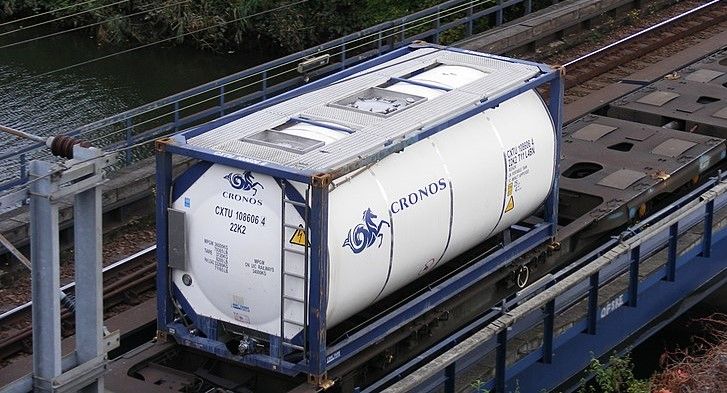
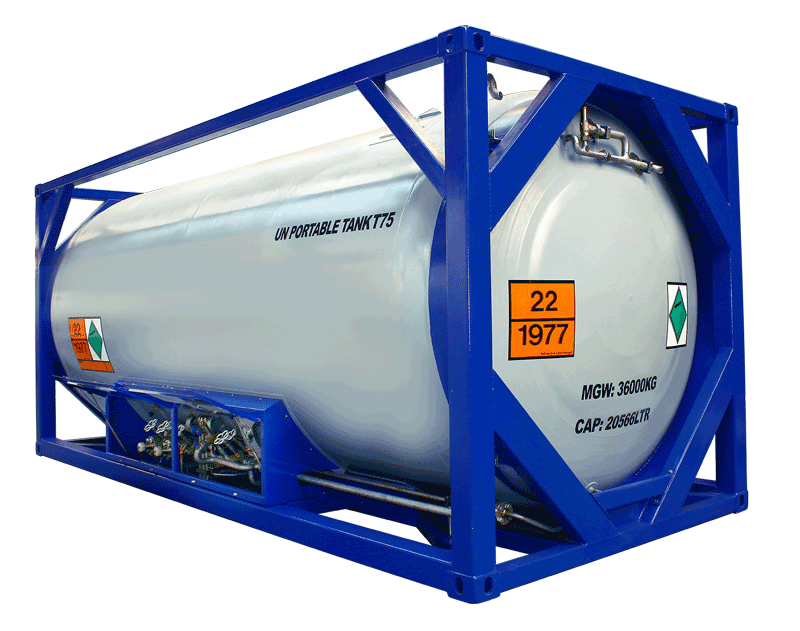
ISO tanks are stainless steel tank containers built according to International Organization for Standardization specifications. They are widely used for transporting liquids in bulk by sea, rail, and road. Compared with drums or flexitanks, ISO tanks offer advantages such as higher safety standards, better product integrity, lower environmental risk, and cost efficiency for large-volume shipments.
For chemical products such as solvents, specialty chemicals, and intermediates, ISO tanks are often the preferred or even mandatory mode of transport. Therefore, any imbalance between ISO tank supply and demand has an immediate and amplified impact on chemical trade flows.
The current shortage is not caused by a single factor but rather by a combination of structural and short-term issues.
1. Middle East Conflict and Disruption at the Strait of Hormuz
Escalating geopolitical tensions in the Middle East have become a major driver of the current ISO tank shortage, particularly due to risks surrounding the Strait of Hormuz, one of the world’s most critical maritime chokepoints for chemicals and liquid bulk cargoes.
Security concerns, vessel rerouting, and reduced sailing frequency have extended transit times between the Middle East, Asia, and Europe, significantly lengthening ISO tank turnaround cycles. At the same time, rising war risk insurance premiums and operational constraints have led some shipping lines and tank operators to limit exposure to the region.
As the Middle East is both a major export hub and transit corridor for chemical products, these disruptions have reduced the return flow of empty tanks and intensified global equipment imbalances. Even without a full closure, the situation around the Strait of Hormuz has materially reduced effective ISO tank availability and amplified the overall shortage.
2. Global Trade Recovery and Demand Surge
Following the slowdown during the pandemic years, global industrial activity and international trade have rebounded strongly. Demand for chemicals, energy products, and food-grade liquids has risen faster than anticipated, leading to a sharp increase in ISO tank utilization. However, tank production and fleet expansion have not kept pace with this rapid demand growth, resulting in tighter availability.
3. Equipment Imbalances and Slow Repositioning
One of the most significant challenges is the geographical imbalance of ISO tanks. A large number of tanks are currently tied up in long-haul routes or stranded in regions with weaker export demand. Port congestion, vessel schedule disruptions, and limited backhaul cargo options make it difficult and costly to reposition empty tanks to high-demand areas such as East Asia, India, and parts of Europe.
The shortage has had a broad and tangible impact across the supply chain.
1. Increased Freight and Leasing Costs
ISO tank leasing rates have risen significantly compared with historical averages. In some lanes, rates have doubled or even tripled, especially for short-term or urgent bookings. These higher costs are ultimately passed on to end customers, putting pressure on profit margins throughout the supply chain.
2. Shipment Delays and Contract Risks
Many exporters have experienced shipment delays due to the inability to secure ISO tanks in time. In certain cases, this has led to missed delivery windows, penalties under sales contracts, or even the loss of business to competitors with better logistical access.
3. Shift to Alternative Packaging
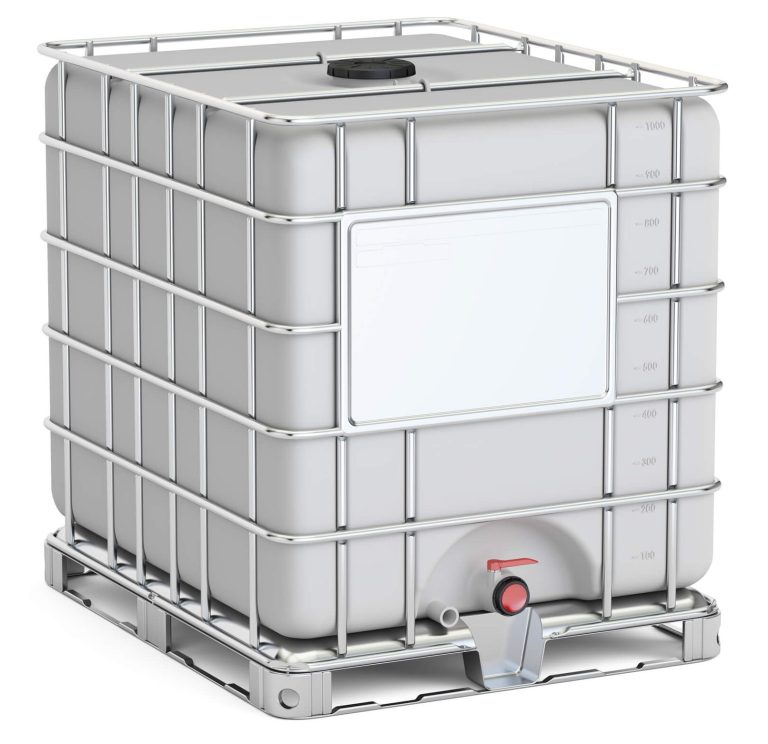
To mitigate risks, some shippers have turned to alternative packaging solutions such as drums, IBCs, or flexitanks where feasible. While this can provide temporary relief, it often comes with higher unit costs, increased handling complexity, or regulatory limitations—particularly for hazardous chemicals.
Industry consensus suggests that the ISO tank shortage is unlikely to disappear overnight, but gradual improvement is expected.
On the supply side, several leasing companies have announced new tank manufacturing programs, which should start adding capacity over the next 6 to 18 months. However, given long production lead times and certification requirements, the impact will be incremental rather than immediate.
On the operational side, improvements in port efficiency and vessel scheduling could help reduce turnaround times, effectively increasing available capacity. Any easing of global trade tensions or moderation in demand growth would also help rebalance supply and demand.
That said, seasonal peaks—such as pre-year-end shipping rushes or regional demand spikes—may continue to cause localized shortages and rate volatility.
In the current environment, proactive planning is essential. Early booking, longer lead times, and closer coordination with tank operators and freight forwarders can significantly improve the chances of securing equipment. Long-term leasing agreements or strategic partnerships with logistics providers may also offer more stability than relying on spot availability.
Transparency with customers regarding logistics constraints and cost fluctuations is equally important. In many cases, buyers are more willing to share costs or adjust delivery terms when challenges are communicated clearly and early.
The recent ISO tank shortage is the result of strong post-pandemic demand, logistical inefficiencies, and structural constraints in tank supply. Its impact is being felt across the chemical and liquid bulk industries through higher costs, delays, and operational challenges. While gradual relief is expected over the medium term, tight conditions are likely to persist in the near future.
For companies involved in bulk liquid trade, the current situation underscores the importance of logistics as a strategic function rather than a simple operational detail. Those who adapt quickly and plan ahead will be better positioned to navigate this challenging market environment.


Check that your browser version is too low,
In order not to affect the normal use of the site, please directly upgrade your browser, or use other browsers such as: firefox, Google.
